
Digitizing Ag Retail for Growers and Retailers : Agvend Business Model
Introduction
In the heart of America’s agricultural belt, a digital revolution is quietly reshaping how farmers and ag retailers do business. Founded in 2017 by Alexander Reichert and Eli Rosenberg, AgVend emerged from a simple but powerful observation: while nearly every industry was embracing e-commerce, ag retail remained stubbornly analog. Reichert and Rosenberg, drawing on their backgrounds in agriculture and digital marketing, set out to bridge this gap.
Their journey began with a focus on the grower—farmers who needed faster, more transparent ways to purchase crop inputs and manage their operations. Early on, AgVend hustled to build trust, offering product promotions, sales subsidies, and free business intelligence tools to attract both growers and retailers. The result? A rapidly growing platform that digitized the ag retail experience, making it as easy to buy fertilizer or seed as it is to order groceries online.
The market opportunity was—and remains—enormous. U.S. agriculture is a $1 trillion industry, yet digital adoption among ag retailers and growers has lagged behind other sectors. Farmers face challenges like price opacity, slow procurement processes, and limited access to competitive offers. Retailers, meanwhile, struggle to reach new customers efficiently and justify the costs of traditional sales teams.
AgVend’s solution is a dual business model: a central B2B marketplace for price-driven growers and white-labeled portals that empower retailers to build their own branded digital storefronts. This approach not only streamlines transactions but also strengthens retailer-grower relationships and provides actionable analytics for all parties.
As digital transformation accelerates in agriculture, AgVend stands at the forefront, helping the industry adapt to changing consumer expectations, labor shortages, and the growing demand for sustainability. Their value proposition—speed, transparency, and omnichannel engagement—aligns perfectly with the needs of a modern, data-driven ag economy.
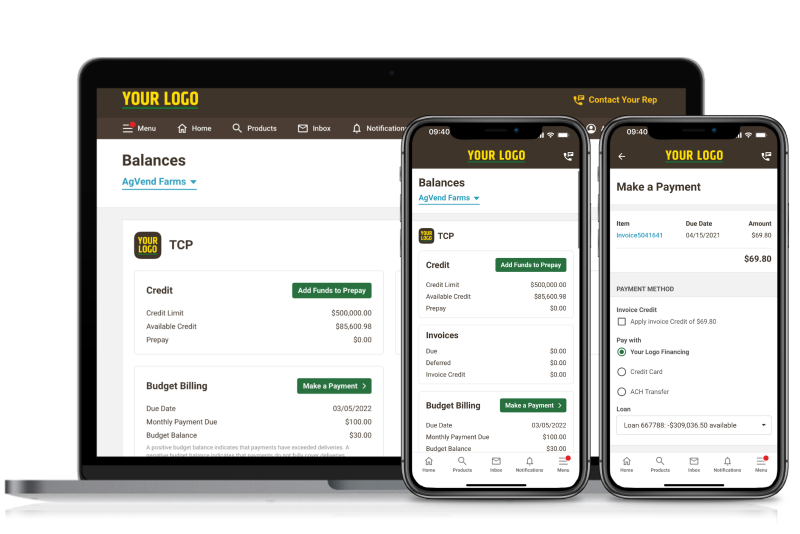
Image Source: Agvend
IFAL Business Model Framework
At IFAL, we assess business model potential around four critical elements:
Value Proposition: Defines the core target customer/consumer segment and the key product/service attributes the targeted segment pays for.
Distribution Strategy: The revenue model offered to the channels through which the product/service is delivered to the target customer/consumer segment.
Complementary Partnerships: External alliances and interdependencies that are critical to produce and deliver the value proposition at optimal scale and profitable unit economics.
Sustainability Elements: Economic, social, and environmental outcomes delivered by the value proposition.
Target Segment & Value Proposition
AgVend’s primary customers are U.S. agricultural growers—farmers seeking efficient, transparent, and price-competitive ways to purchase crop inputs and manage their operations. The platform also serves ag retailers looking to modernize their sales channels and deepen customer relationships.
Why do customers pay?
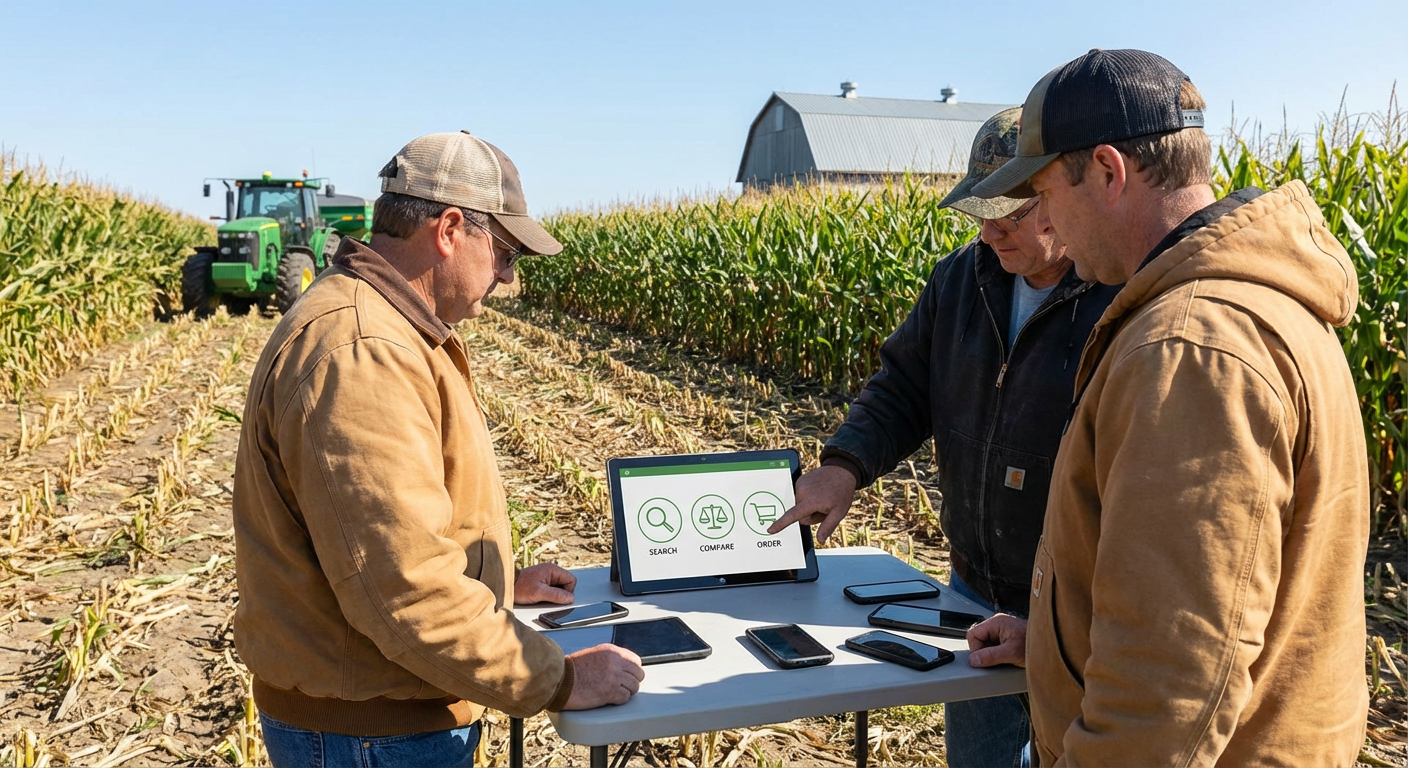
Growers: For speed, price transparency, and the ability to compare and purchase products from multiple retailers in just a few clicks.
Retailers: For access to a broader customer base, lower sales costs, and actionable analytics that drive smarter business decisions.
Differentiated Attributes:
Mobile-first, omnichannel experience
Real-time price comparison and product search
White-labeled portals for retailer branding
Integrated business intelligence and analytics
Competitive Advantages:
High Net Promoter Score (NPS) from both growers and retailers
Rapid onboarding and adoption
Partnerships with leading agtech platforms for seamless integrations
Distribution Strategy
AgVend’s distribution strategy is built on two pillars:
Marketplace Model: A central B2B platform where ag retailers pay an annual fee and a low take rate on sales, enabling them to reach price-focused, transactional growers efficiently.
White-Labeled Grower Portals: Retailers receive their own branded e-commerce portals powered by AgVend’s technology, allowing them to maintain direct relationships with their customers while benefiting from digital tools.
Go-to-Market Approach:
Direct sales to ag retailers and cooperatives
Partnerships with agtech platforms (e.g., Agworld) for integrations
Word-of-mouth and high customer satisfaction driving organic growth
Future Channels:
Expansion into new crop segments and geographies
Enhanced mobile app features for field-based transactions
Complementary Partnerships
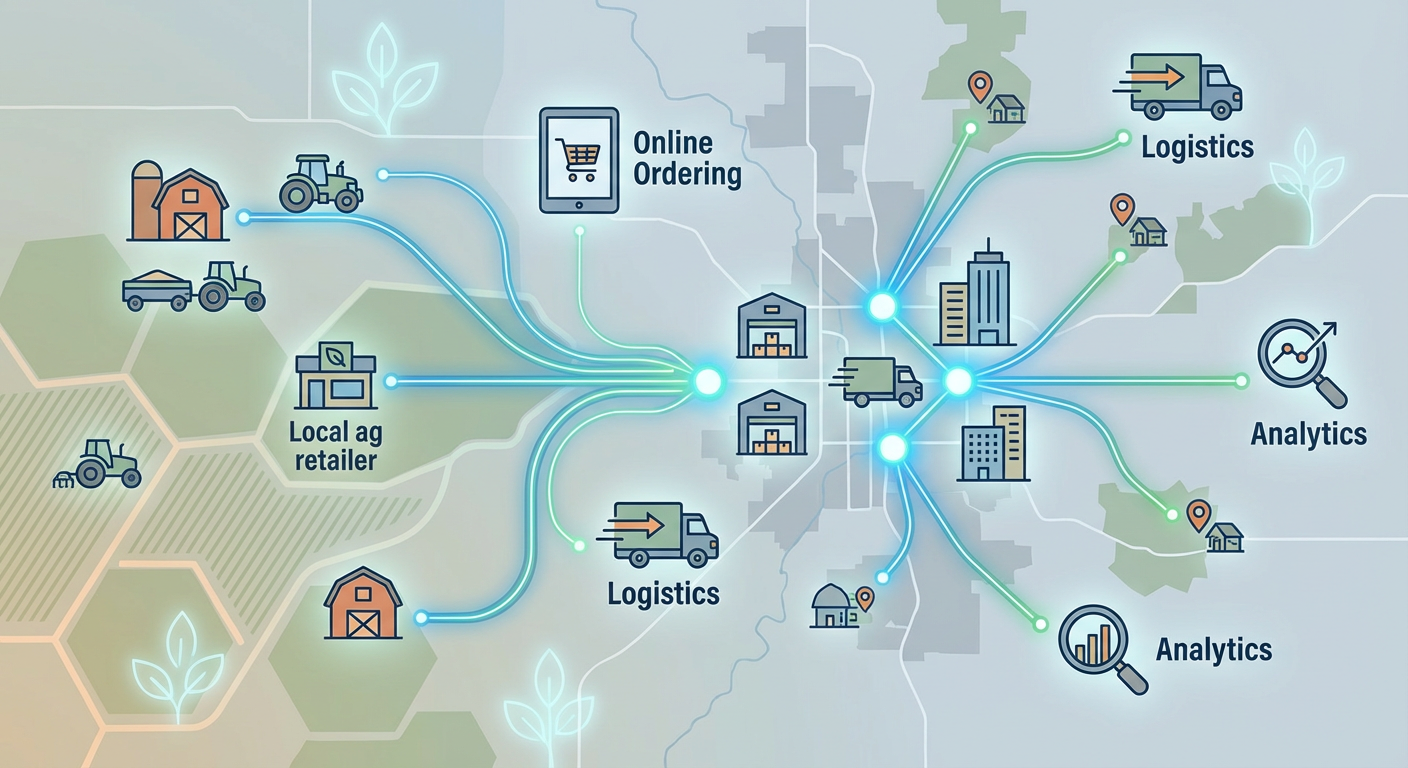
AgVend’s success relies on a robust ecosystem of partners:
Ag Retailers: Core partners who use AgVend’s platform to reach and serve growers.
Agtech Integrations: Partnerships with platforms like Agworld enable seamless data flow and enhanced user experiences.
Technology Providers: Cloud infrastructure and analytics partners ensure scalability and security.
Advisory and Scale-Up Partners: Industry advisors and investors help guide strategic growth and market expansion.
These partnerships are critical for delivering a comprehensive, integrated solution that meets the evolving needs of the ag industry.
Sustainability at the Core of the Business Model
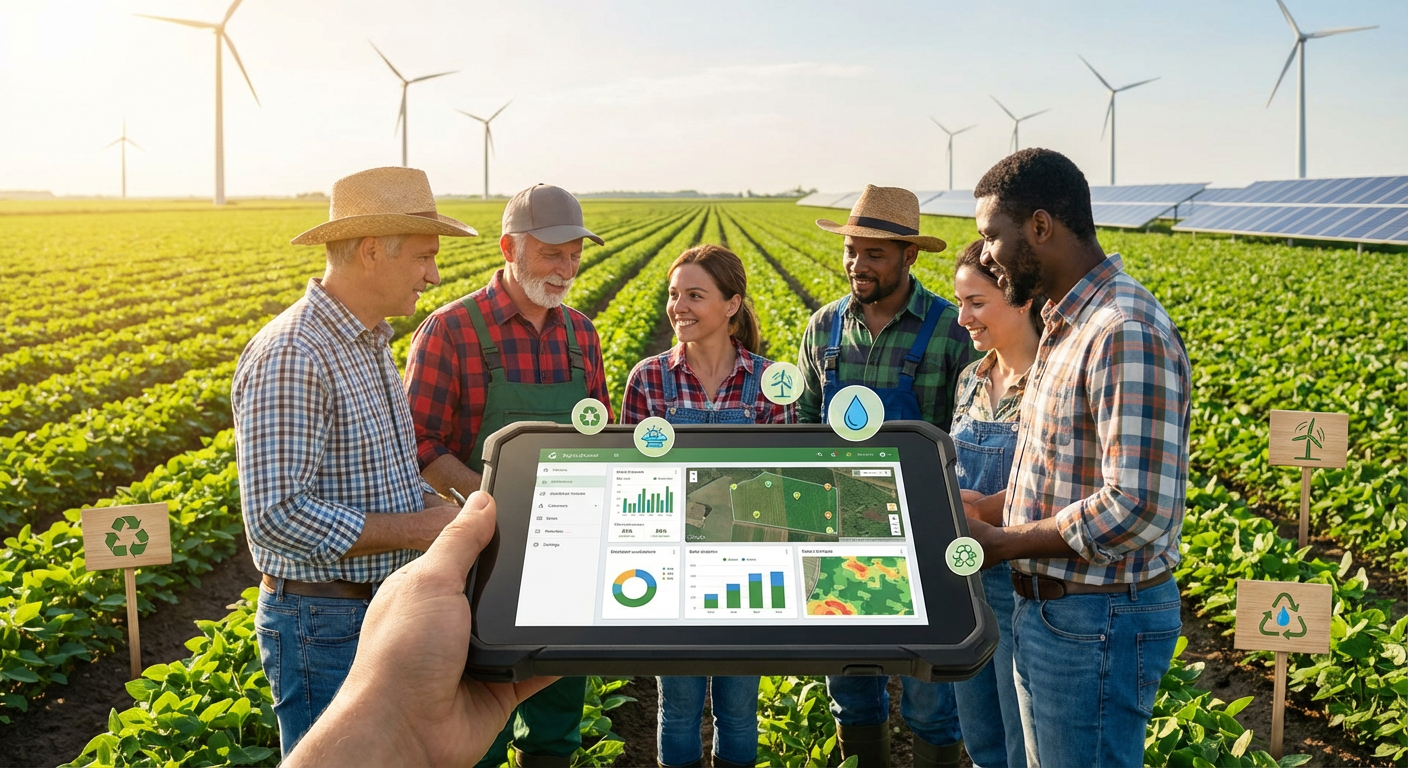
Sustainability is increasingly central to ag business models. AgVend supports sustainability by:
Reducing resource waste: Digital ordering minimizes errors and over-purchasing.
Enabling data-driven decisions: Growers can optimize input use, reducing environmental impact.
Supporting economic resilience: Retailers and growers gain access to new markets and revenue streams.
Promoting transparency: Price and product information empower better choices for all stakeholders.
Strategic Dilemmas
Scaling Value Proposition: How to maintain high-touch service and customization as the platform grows nationally.
Distribution Challenges: Balancing marketplace efficiency with retailer loyalty; avoiding channel conflict.
Partnership Complexity: Managing integrations and data sharing with multiple agtech and retail partners.
Sustainability Trade-offs: Ensuring digital adoption does not exclude less tech-savvy growers or create new environmental risks.
Key Takeaways
AgVend is digitizing ag retail, making transactions faster and more transparent for growers and retailers.
The dual business model (marketplace + white-labeled portals) offers flexibility and scalability.
Strategic partnerships and integrations are key to delivering value and driving adoption.
Sustainability is embedded in both the platform’s operations and its impact on the ag ecosystem.
Ongoing challenges include scaling, partnership management, and ensuring inclusive digital transformation.
Continuing the Learning Journey
IFAL works with universities to deliver applied programmes for professionals and teams across food and agribusiness value chains.
You can explore our university partner programmes here, or connect with us here to discuss learning pathways for your organisation.
References
Bowery Capital: From the Front Lines with Alexander Reichert
Future of Agriculture Podcast: Digitizing Ag Retail with Alexander Reichert
Disclaimer
This article is for educational and informational purposes only. We are not affiliated with or endorsed by AgVend or any company mentioned. All trademarks and images are the property of their respective owners, and readers use this information at their own risk.